

From celebrity and athlete endorsements to Progressive commercials, you may have heard about hyperbaric oxygen (HBO2) therapy, but what exactly is it?
HBO₂ therapy is a medical treatment prescribed by a doctor to enhance the body’s ability to heal. During HBO2 therapy, patients breathe 100% pure oxygen while inside a pressurized chamber. The pressure inside this chamber is about two and a half times greater than the normal pressure in the atmosphere. This high-pressure environment allows blood to carry more oxygen to all parts of the body to repair injured tissue. HBO₂ therapy also helps to fight certain infections, such as those that occur in the bone.
While it is considered an “advanced modality,” HBO2 therapy is not a new treatment. In fact, it has been used since the late 1600s—before oxygen was discovered! It began with British physician Nathaniel Henshaw who used a pressurized room to treat conditions related to the lungs and digestive system. 300 years later, the Navy used it to treat decompression sickness in divers.
While the wellness industry has become quite interested in this treatment option in today’s age, it is important to note that HBO2 therapy should be utilized only for approved indications. The Undersea and Hyperbaric Medical Society (UHMS), the primary source of scientific information for diving and hyperbaric medicine physiology worldwide, issues a report of the indications for which therapy is deemed safe and effective. Payers, such as Medicare, also conduct literature reviews and then make their own determination on which conditions/diseases are or are not covered. Covered indications vary based upon insurance carrier and can be found in your LCD.
The following indications for HBO2 therapy are approved by the UHMS:
- Air or gas embolism*
- Avascular necrosis
- Carbon monoxide poisoning*
- Carbon monoxide poisoning complicated by cyanide poisoning
- Clostridial myositis and myonecrosis (gas gangrene)
- Crush injury, compartment syndrome and other acute traumatic ischemias
- Decompression sickness*
- Arterial insufficiencies
- Central retinal artery occlusion*
- Enhanced healing in select problem wounds (including diabetic foot ulcers, Wagner grade 3 or higher)
- Severe anemia
- Intracranial abscess
- Necrotizing soft tissue infections
- Osteomyelitis (refractory)
- Delayed radiation injury (soft tissue and bony necrosis)
- Compromised grafts and flaps
- Thermal burn injury
- Idiopathic sudden sensorineural hearing loss
*HBO2 is a primary treatment

Daniel Christopher
Vice President, HBO2 Training & Education, Corporate Safety Director RestorixHealth
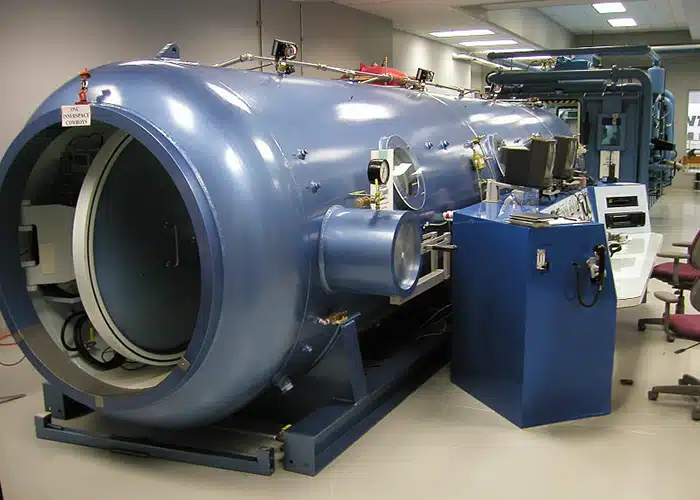
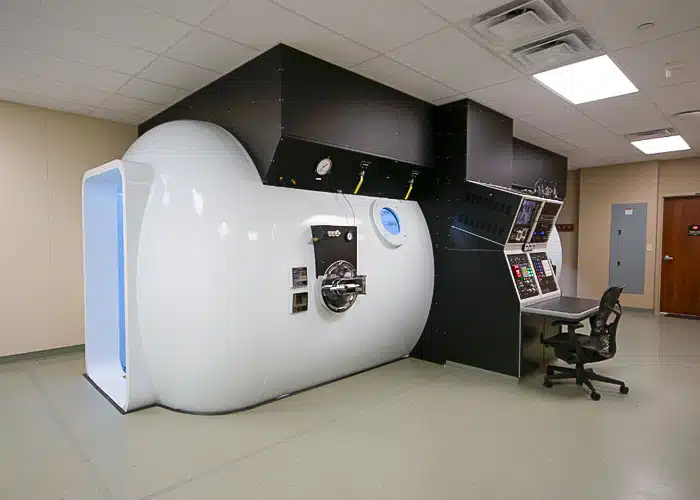
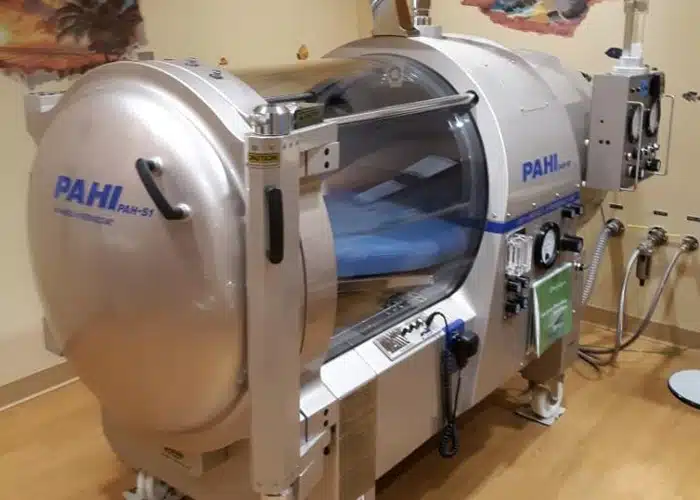
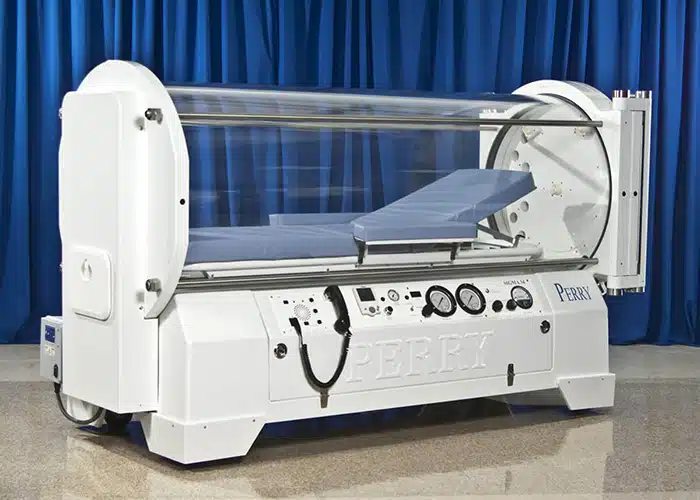
Patients with wounds both internal and external do not have to look far to find this life-changing treatment. Many hospital-based wound centers offer HBO2 therapy. Some centers with HBO2 therapy offer the treatment in a monoplace chamber. A monoplace chamber is a clear chamber that holds only one patient at a time. A patient lies in the chamber to receive treatment. Other centers offer HBO2 therapy through multiplace chambers. A multiplace chamber is very large chamber that can hold multiple patients at once. Patients sit in the chamber and wear a hood or mask to receive oxygen. Staff can come in and out of the chamber, as well.
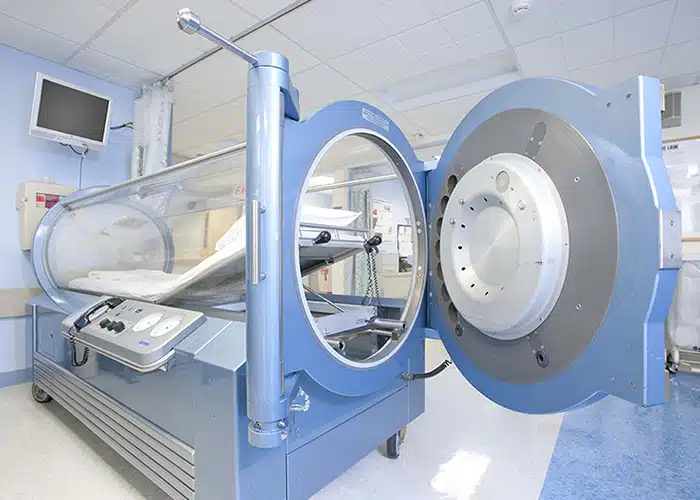
HBO2 therapy can be a life-changing treatment for those with internal and external wounds. For patients interested in their eligibility for HBO2 therapy, consult your primary care physician or consult a wound care specialist to see if HBO2 therapy is right for you.